Our Services
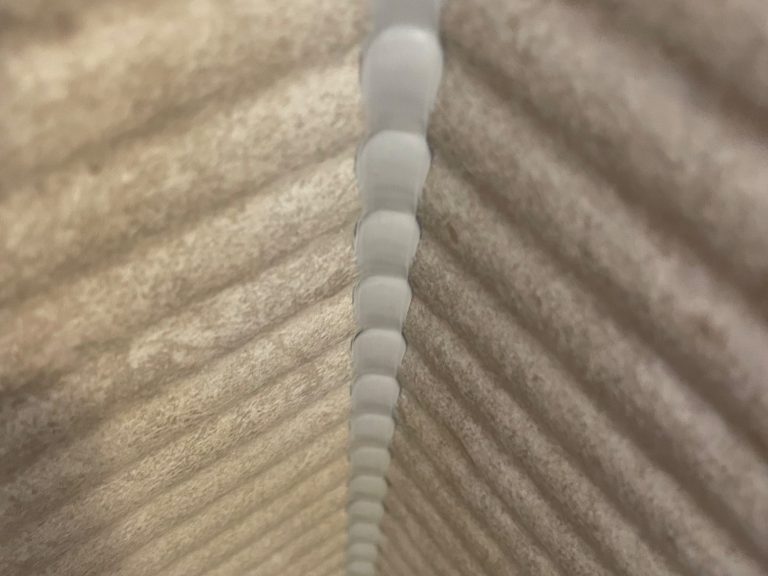
Mastic Pointing
Mastic Pointing: External vs. Internal
External Mastic Pointing
• Weatherproofing: Seals gaps between window/door frames and brickwork to stop rain and wind.
• UV Resistance: Uses silicone or polyurethane to withstand sun exposure and extreme weather.
• Flexibility: Absorbs the movement of the building structure without cracking.
Internal Mastic Pointing
• Aesthetics: Provides a clean, smooth finish for skirting boards, ceilings, and corners.
• Sanitary Use: Uses anti-fungal silicone in kitchens and bathrooms to prevent mold.
• Paintability: Often uses acrylic "decorators caulk" so it can be painted over to match the walls.
Cladding/Facade
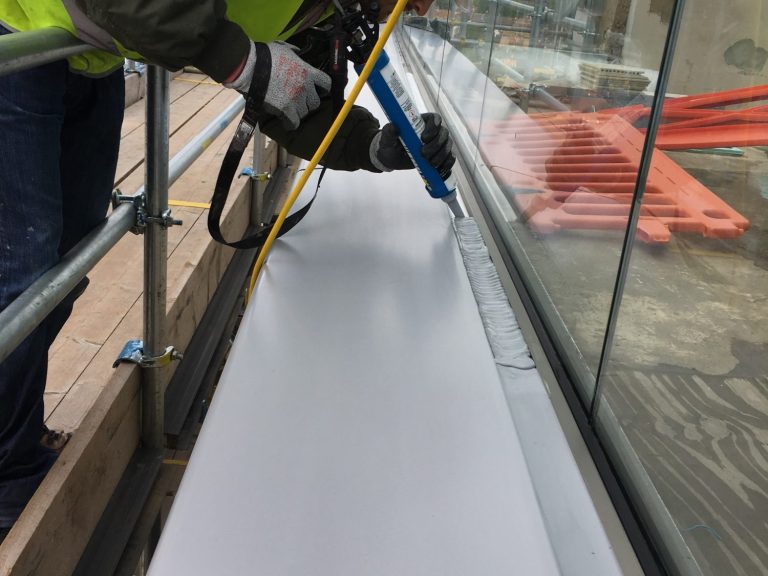
he image shows a professional applying sealant (often called mastic) to a glass balustrade joint on a high-rise building. For panel-based facades and modern blocks, this process is vital for several reasons:
• Weatherproofing: It creates a watertight barrier that prevents rain and moisture from penetrating the building's envelope.
• Flexibility: High-quality sealants (like Polyurethane or Silicone) accommodate the thermal expansion and contraction of facade panels without cracking.
• Durability: These materials are engineered to resist UV radiation and extreme temperature shifts.
• Aesthetics: A clean application ensures a seamless transition between different materials (glass, metal, and cladding).
Proper surface preparation and the use of the correct sealant type are essential to prevent long-term structural damage or insulation failure.
Fire Mastic
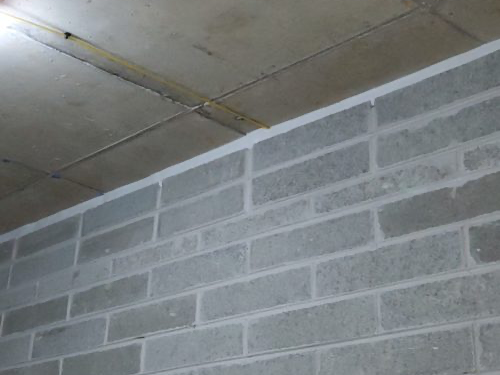
• Blockwork Seal: Seals expansion joints in concrete blocks to stop fire, smoke, and gas.
• Basements: Used for service penetrations (pipes/cables) to maintain fire integrity and moisture resistance.
• Flexibility: Allows the wall to move without cracking the fire barrier.
• Ratings: Provides certified protection for 2 to 4 hours.
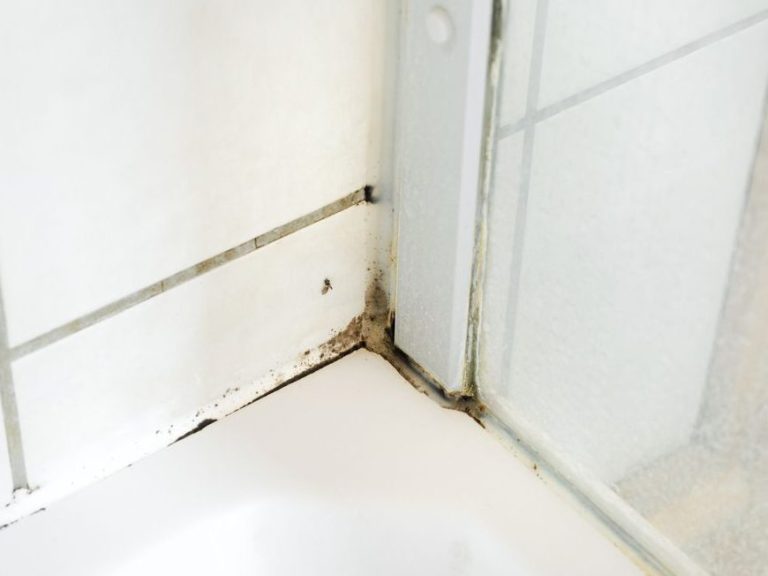
Domestic Mastic Replacement
• Removal: Old, moldy mastic is completely stripped away using a dedicated removal tool or a sharp blade.
• Cleaning: The area must be treated with a mold killer or fungicide to ensure no spores remain beneath the new layer.
• Sanitary Silicone: For bathrooms and kitchens, high-quality sanitary silicone containing acetoxy or neutral cure with anti-fungal properties is used to prevent regrowth.
• Aesthetic Refresh: New mastic improves the visual appearance of sinks, tubs, and tiles, making them look new again.
• Waterproofing: Replacing cracked or peeling sealant prevents water from leaking behind walls, which can cause structural rot over time.